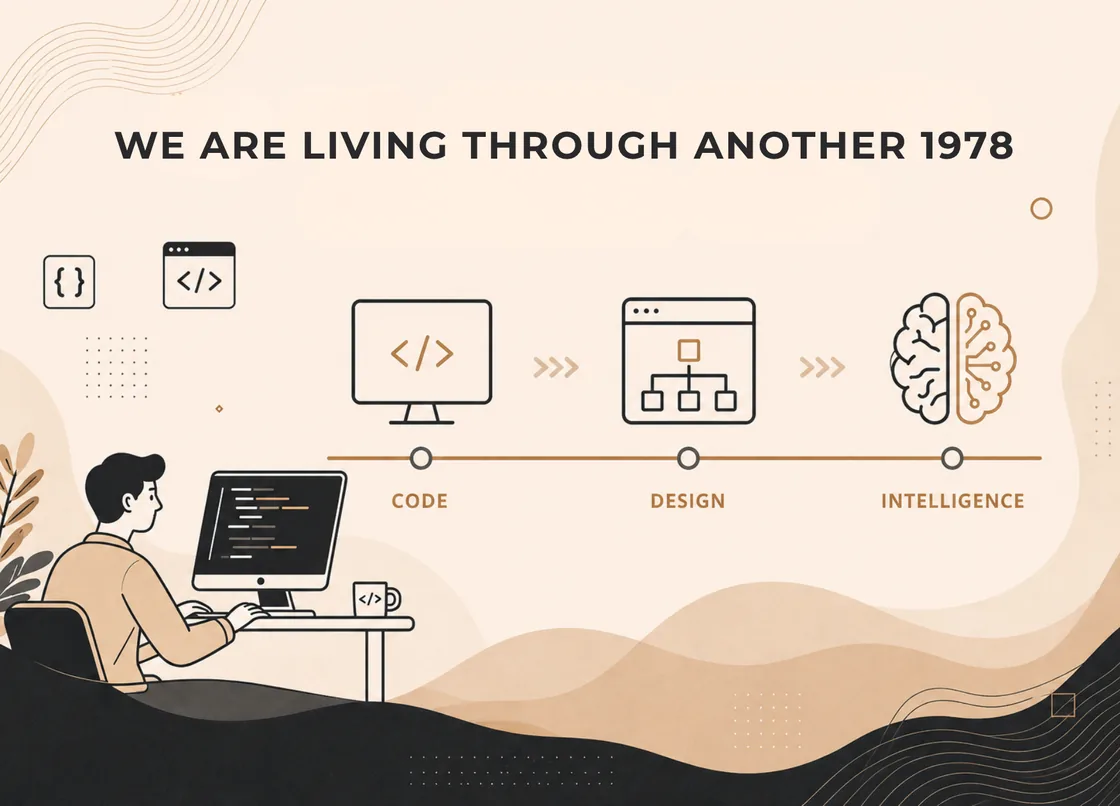
Over nearly five decades in software engineering, I have had the rare vantage point of working through every major paradigm shift the industry has produced. From writing logic close to the metal in 1978 to watching AI reason its way through complex codebases today, I have seen the profession reinvent itself not once, but three times.
“Each generation didn’t replace the last — it was built on top of it.”
And each one fundamentally changed what a software engineer could accomplish in a day, a year, a career.
Generation I: High-Level Languages (1978–1990s)
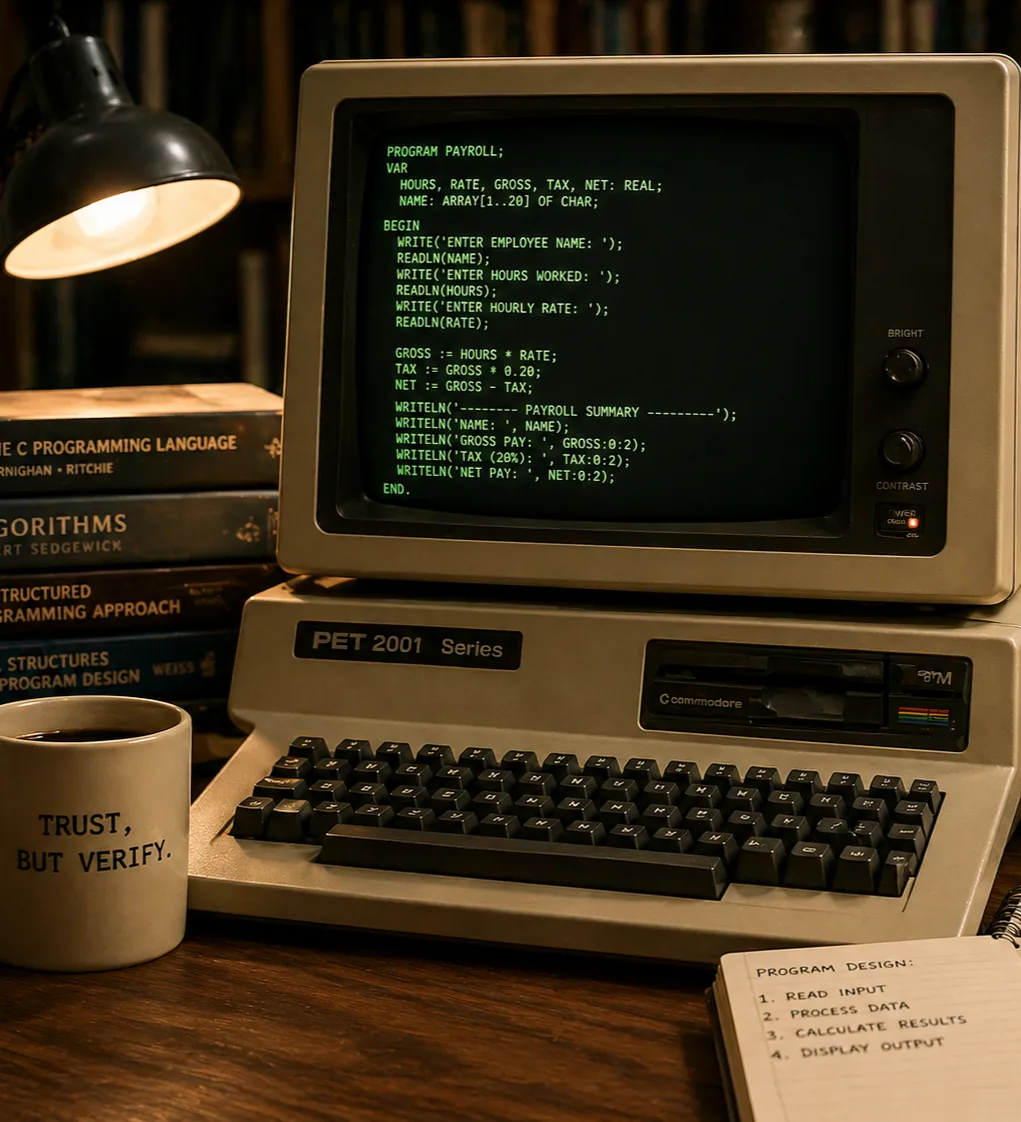
When I entered the industry in 1978, software was not a metaphor for intelligence; it was logic written close to the metal. Assembly language, COBOL, FORTRAN, and early C were our tools. Programming meant thinking in registers and memory addresses, and the gap between a human idea and a working program was enormous.
The breakthrough of this era was abstraction. High-level languages let developers think in terms of problems rather than hardware constraints.
For the first time, a human idea could be expressed in something resembling human language. The impact was immediate and far-reaching: productivity multiplied, software became a profession rather than a specialty, and applications exploded across every sector, from payroll and inventory to scientific modeling and beyond. The very idea of a “software product” was born in this generation.
There is a detail from this era that feels remarkably relevant today: it was not unusual for programmers to insist on reviewing the assembler code generated by the compiler. They didn’t fully trust the abstraction yet. They wanted to verify that the machine was doing what they intended, much the way developers today want to check the code generated by AI-based tools. The instinct is the same across generations: trust, but verify. And in both cases, that skepticism fades as the tooling matures and the results speak for themselves.
Generation II: Object-Oriented Development and Design Patterns (1990s–2015)
Generation I was about writing programs. Generation II taught us to model the world.
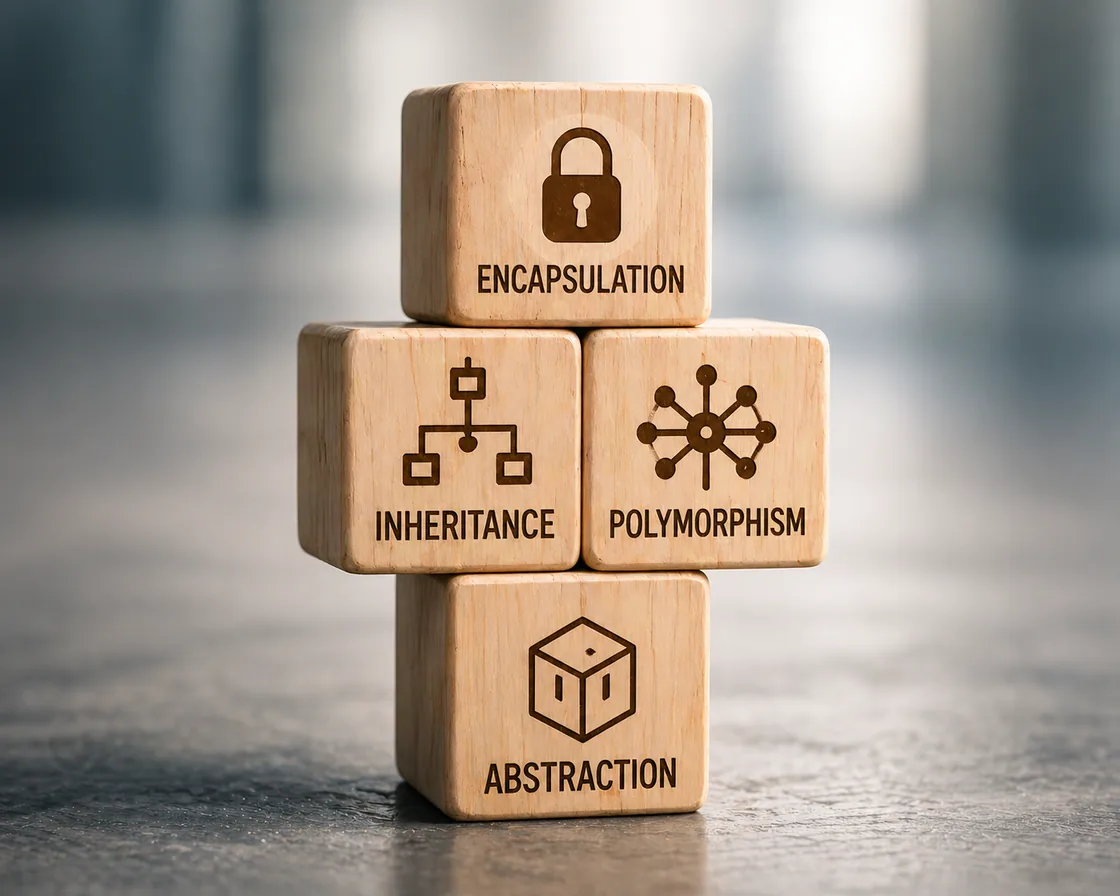
Encapsulation let us hide complexity and expose clean interfaces. Software finally matched how humans think about real-world objects.
Perhaps more importantly, Object-Oriented techniques facilitated design patterns and gave our profession a shared vocabulary. For the first time, experienced developers could hand off architecture through documented, repeatable patterns. The knowledge of how to build well became transferable at scale.
Object-Oriented development was the generation that turned software engineering from a craft practiced by individuals into a discipline practiced by teams.
Generation III: Artificial Intelligence (2015–Today)
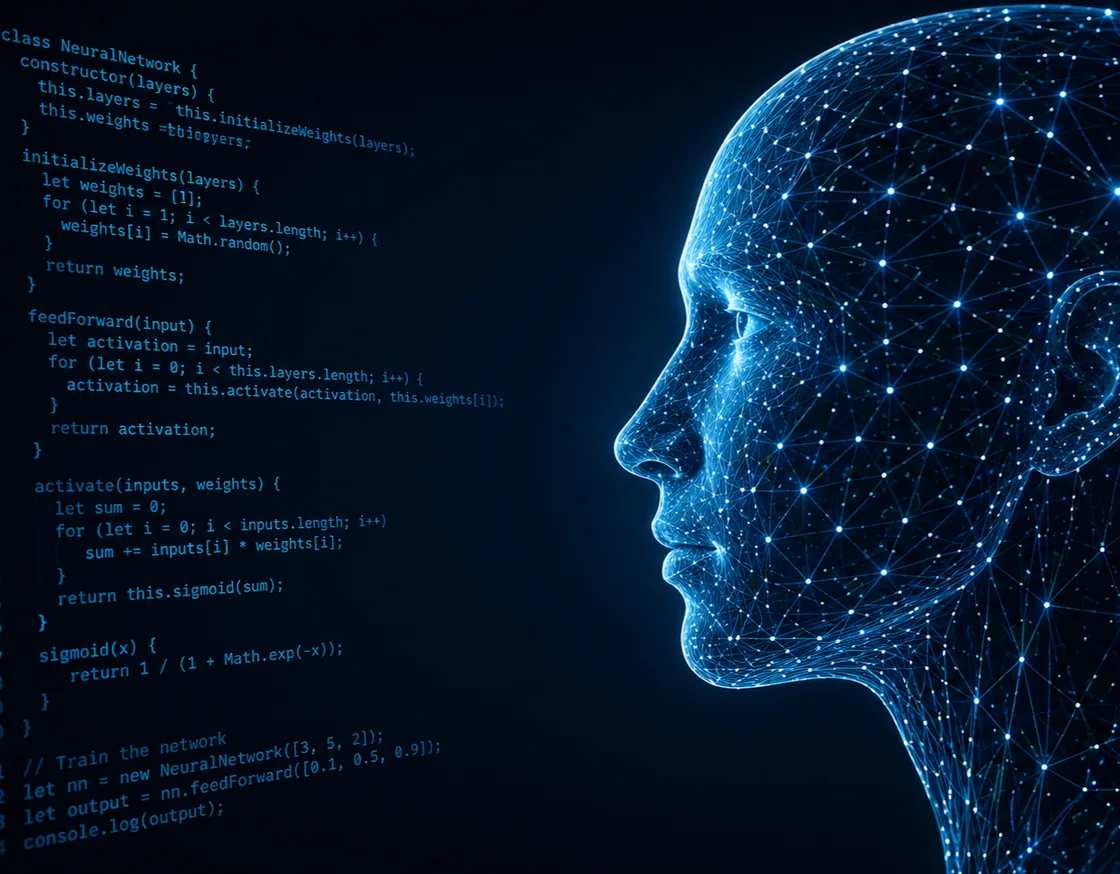
AI is not just another tool. It is the first technology that participates in the creative act of software engineering itself.
We used to tell computers exactly what to do. Now we describe what we want, and they reason toward a solution. The abstraction leap is as significant as the move to high-level languages was in 1978, but orders of magnitude larger in its implications.
“Moore’s Law states that transistor density on chips would double every two years.”
But with tools like Claude, we are seeing an order of magnitude improvement every 5 months, unheard of in the history of technology.
The technology is not a future promise; it is a present reality that is compressing timelines, expanding what small teams can deliver, and opening entirely new categories of problems that software can now address.
The Step Forward
Across these three generations, a pattern emerges. Each leap was fundamentally about raising the level of abstraction.
High-level languages abstracted away hardware. Object-Oriented design abstracted away implementation details. AI is abstracting away the translation step between human intent and working software.
Every generation of technology looks obvious in hindsight and impossible in the moment. The engineers and leaders who thrive are the ones who see abstraction as liberation, not laziness, and who lean into each new paradigm with the same rigor and curiosity that drove the ones before it.
“We are living through another 1978.”
The question is not whether this generation will reshape the industry. It is whether we will be the ones shaping it, or the ones catching up.